
For years, the technology industry encouraged us to buy more.
A dedicated e-reader for books. A laptop for work. A television for entertainment. A notebook for ideas. A camera for photos. A game console for downtime. A planner for an organization.
Each device promised to solve a specific problem. Over time, however, many of us found ourselves surrounded by charging cables, power adapters, subscriptions, accessories, and gadgets that rarely left a drawer.
As technology has evolved, a different movement has begun to emerge.
Digital minimalism isn’t about rejecting technology. It’s about using technology more intentionally. Rather than filling our homes, bags, and desks with specialized devices, many people are choosing fewer, more versatile tools that serve multiple purposes exceptionally well.
At the center of this shift is a device that continues to blur the line between work, creativity, communication, and entertainment: the tablet.
For many users, a single iPad or similar device can now replace five or more everyday gadgets, reducing clutter without sacrificing functionality.
What Is Digital Minimalism?
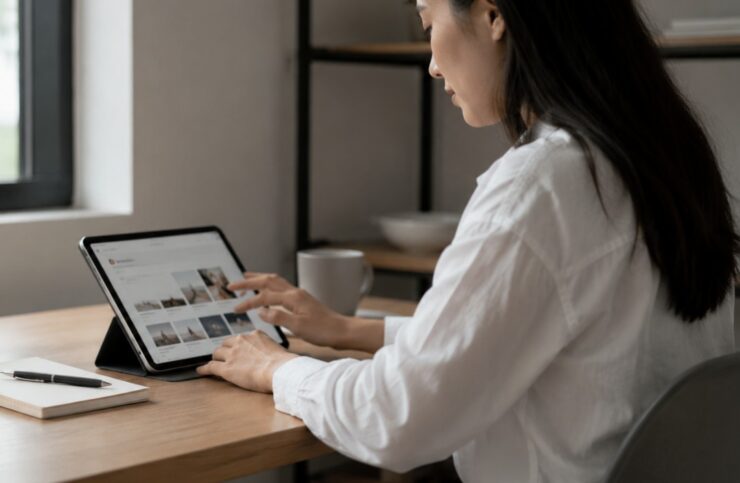
Digital minimalism is a philosophy that encourages people to focus on technologies that genuinely add value to their lives while eliminating unnecessary digital distractions.
Popularised by author and computer scientist Cal Newport, the concept is less about abandoning technology and more about being deliberate in how we use it. Rather than constantly adding new devices, apps, and subscriptions, digital minimalists ask a simple question:
“Does this technology meaningfully improve my life?”
If the answer is no, it may not deserve a place in your daily routine. This mindset often leads people to consolidate devices and simplify their technology ecosystems.
Replacing the Traditional Notebook
For centuries, notebooks have been essential tools for students, professionals, writers, and creatives.
Despite the rise of digital technology, many people still enjoy the flexibility and freedom of handwritten notes. Modern tablets have created a compelling middle ground. With stylus support and sophisticated note-taking apps, users can write naturally while gaining benefits that paper simply cannot offer.
Digital notes can be:
- Organised automatically
- Searched instantly
- Backed up to the cloud
- Shared with colleagues
- Edited without crossing out mistakes
- Accessed from multiple devices.
Students can keep entire semesters of notes in a single app. Professionals can organize meeting notes by client or project. Writers can capture ideas wherever inspiration strikes.
For many users, the combination of handwriting and digital organization makes carrying traditional notebooks increasingly unnecessary.
Replacing the E-Reader
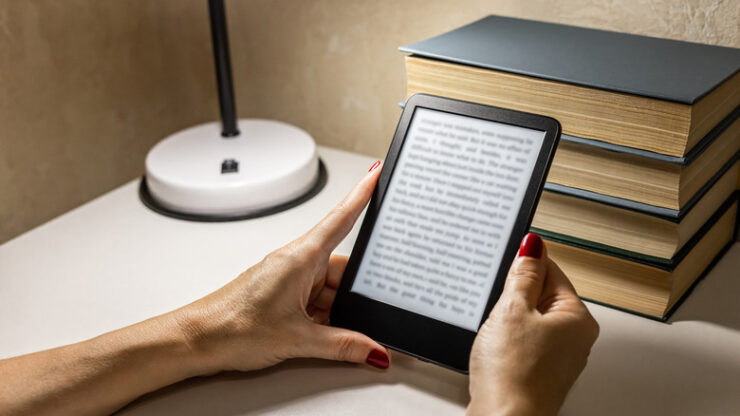
Dedicated e-readers remain excellent devices for avid readers, particularly those who prefer e-ink displays. However, tablets have become increasingly attractive alternatives for people who read a mixture of content.
A single device can accommodate:
- Novels
- Newspapers
- Digital magazines
- Academic papers
- PDFs
- Graphic novels
- Professional reports.
The ability to switch instantly between different types of content adds significant convenience.
Travelers, in particular, benefit from carrying a single device rather than separate reading and productivity tools.
While dedicated e-readers may still offer superior battery life for pure book consumption, many users find that a tablet provides sufficient reading comfort alongside much broader functionality.
Replacing the Portable Television
Streaming services have transformed how people consume entertainment.
Rather than gathering around a living-room television at a fixed time, viewers increasingly watch content whenever and wherever they choose. A tablet can function as a highly capable personal entertainment system. Whether commuting, traveling, exercising, cooking, or relaxing in bed, users can access films, television shows, sports broadcasts, and live events with ease.
High-resolution displays and quality speakers have significantly improved the viewing experience in recent years. For individuals who live in smaller homes, travel frequently, or simply prefer flexibility, a tablet can often reduce reliance on additional screens throughout the house.
Replacing the Sketchbook
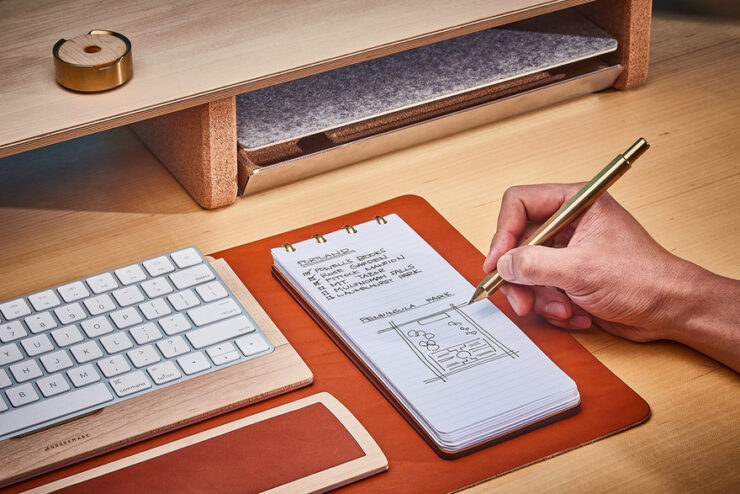
Artists have traditionally relied on sketchbooks as portable creative spaces. While paper remains beloved by many creators, digital drawing tools have opened entirely new possibilities. Modern tablets support pressure-sensitive styluses and sophisticated creative applications that replicate many traditional artistic techniques.
Digital artists benefit from features such as:
- Unlimited undo functionality
- Layers
- Colour experimentation
- Instant duplication
- Cloud backups
- Easy sharing
- Integration with professional workflows.
Even artists who primarily work with traditional media often use tablets for concept development, planning, or experimentation before moving to physical materials. Instead of carrying multiple sketchbooks and supplies, creators can keep an entire studio’s worth of tools in a single device.
Replacing the Secondary Work Computer
Perhaps the most significant shift has occurred in productivity.
For many professionals, tablets are no longer secondary devices used only for travel or casual browsing. Advances in hardware performance, multitasking capabilities, cloud services, and professional applications have transformed tablets into serious work tools.
Depending on the role, a tablet can comfortably handle:
- Email management
- Document editing
- Video conferencing
- Presentation creation
- Project management
- Research
- Content creation
- Client communication.
Many professionals still prefer laptops or desktops for specialized workloads. However, an increasing number of workers discover that a tablet handles the vast majority of their daily tasks.
The result is fewer devices to manage, update, transport, and maintain.
Why Consolidation Matters
At first glance, replacing multiple devices with one may seem primarily about convenience.
The benefits extend much further.
Less Physical Clutter
Fewer devices mean fewer chargers, cables, cases, adapters, and accessories competing for space.
Lower Costs
Although premium tablets are significant investments, maintaining one versatile device can often cost less than owning multiple specialized gadgets.
Simplified Workflows
Files, apps, notes, and media remain in one place rather than being scattered across multiple systems.
Easier Travel
A lighter bag makes commuting, business travel, and holidays more enjoyable.
Reduced Decision Fatigue
Fewer devices mean fewer choices about where to store information, complete tasks, or consume content.
The Importance of the Right Accessories
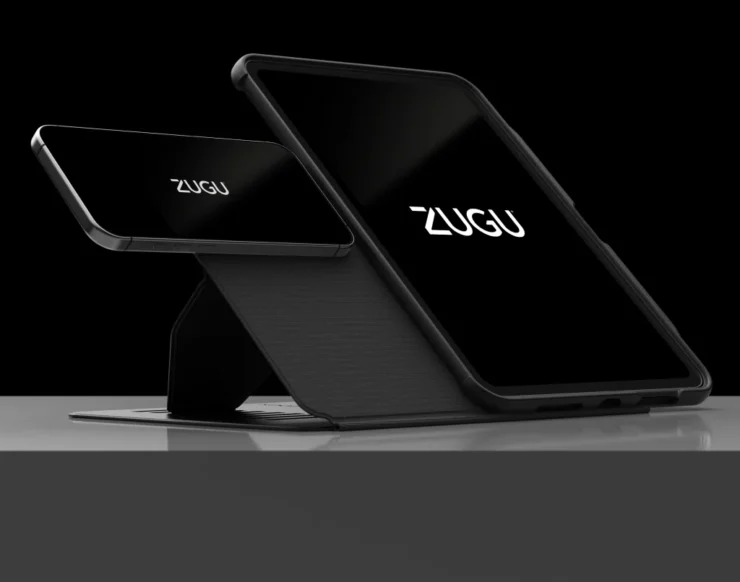
Digital minimalism doesn’t necessarily mean eliminating accessories altogether. Instead, it encourages choosing accessories that maximize the usefulness of your core devices. A versatile tablet becomes significantly more capable when paired with thoughtful accessories. External keyboards improve typing comfort. Quality headphones enhance communication and entertainment. Portable chargers extend battery life during travel.
Protective accessories also play an important role. If one device replaces several others, protecting that device becomes more important than ever.
For example, many tablet users choose a premium iPad case, like a ZUGU case, that offers strong protection and adjustable viewing angles, enabling the device to serve as a comfortable reading platform, creative workspace, entertainment screen, and productivity tool without requiring separate stands or supports.
The goal isn’t accumulating more accessories. It’s selecting fewer accessories that add meaningful versatility.
The Limits of Device Consolidation
Of course, no single device replaces everything.
Professional video editors, software developers, engineers, and certain creative specialists may still require dedicated hardware for demanding workloads. Similarly, some readers will always prefer e-ink displays, while some artists remain committed to traditional sketchbooks.
Digital minimalism isn’t about forcing every activity onto one device. It’s about recognizing when multiple devices perform largely overlapping functions and choosing simplicity where it makes sense.
A Simpler Approach to Technology
Technology should make life easier, not more complicated. Yet many people find themselves managing an ever-growing collection of devices, subscriptions, accessories, and digital ecosystems.
Digital minimalism offers an alternative. By focusing on versatile tools that serve multiple purposes well, users can reduce clutter, simplify workflows, save money, and enjoy greater flexibility. For many people, a modern tablet has become the perfect example of this philosophy in action.
It’s a notebook, library, television, sketchbook, and workstation all at once.
And in an age where convenience often comes from owning more, there is something refreshing about discovering how much can be accomplished with less.